
|
|
|||
The Encyclopedia of Movement Disorders |
Kontakt/Bestellung
Contact/Order: info@digento.de 
|
|
1st Edition 2010 |
|
|
Online |
|
|
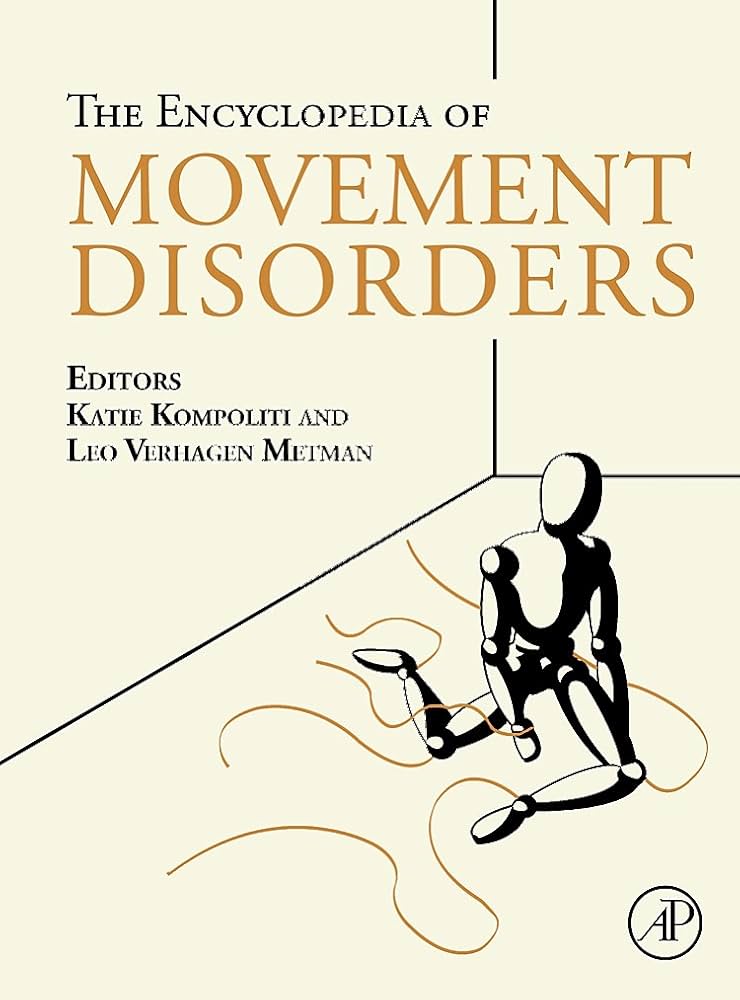
Inhalt :: Content Umfassendes Referenzwerk mit über 400 Beiträgen von internationalen Fachwissenschaftlern zur klinischen Charakterisierung, Pathophysiologie und Behandlung von Bewegungsstörungen. Bewegungsstörungen stellen durch Beeinträchtigung der Gelenke, Muskeln, Sehnen oder Nerven bedingte Störung des normalen Bewegungsablaufs dar. Ergänzt wird das Referenzwerk durch umfangreiche Videomaterialien. Der Online-Ausgabe liegt die 2010 erschienene, 3-bändige Printausgabe zugrunde. |
 |
|
Verlag :: Publisher Academic Press |
|
|
Preis :: Price Preise auf Anfrage / Prices on request
Siehe auch: |
|
|
Das Angebot richtet sich nicht an Verbraucher i. S. d. § 13 BGB und Letztverbraucher i. S. d. PAngV. |
|
|
ISBN/ISSN 978-0-12-374101-1 Bestellnummer bei digento :: digento order number 106927 |
|
|
Verlagsinformation :: Publisher's information The Encyclopedia of Movement Disorders is a comprehensive reference work on movement disorders, encompassing a wide variety of topics in neurology, neurosurgery, psychiatry and pharmacology. This compilation will feature more than 400 focused entries, including sections on different disease states, pathophysiology, epidemiology, genetics, clinical presentation, diagnostic tools, as well as discussions on relevant basic science topics. The online version of this work includes video clips of patients with specific types of movement disorders. Academic clinicians, translational researchers and basic scientists are brought together to connect experimental findings made in the laboratory to the clinical features, pathophysiology and treatment of movement disorders. Key features
Audience The encyclopedia targets a broad readership, including clinicians, researchers, post-doctoral fellows, medical residents and medical school students with an interest in the current research and approaches for the diagnosis and treatment of Movement Disorders. It will be an essential addition to any collection, written to be accessible for both the clinical and non-clinical reader. |
|
