|
|
|||
Zvezda Digital Archive (1924 to present) |
Kontakt/Bestellung
Contact/Order: info@digento.de 
|
|
Online |
|
|
Verlag :: Publisher Infoteka |
|
|
Preis :: Price Preise auf Anfrage / Prices on request |
|
|
Das Angebot richtet sich nicht an Verbraucher i. S. d. § 13 BGB und Letztverbraucher i. S. d. PAngV. |
|
|
Bestellnummer bei digento :: digento order number 109113 |
|
|
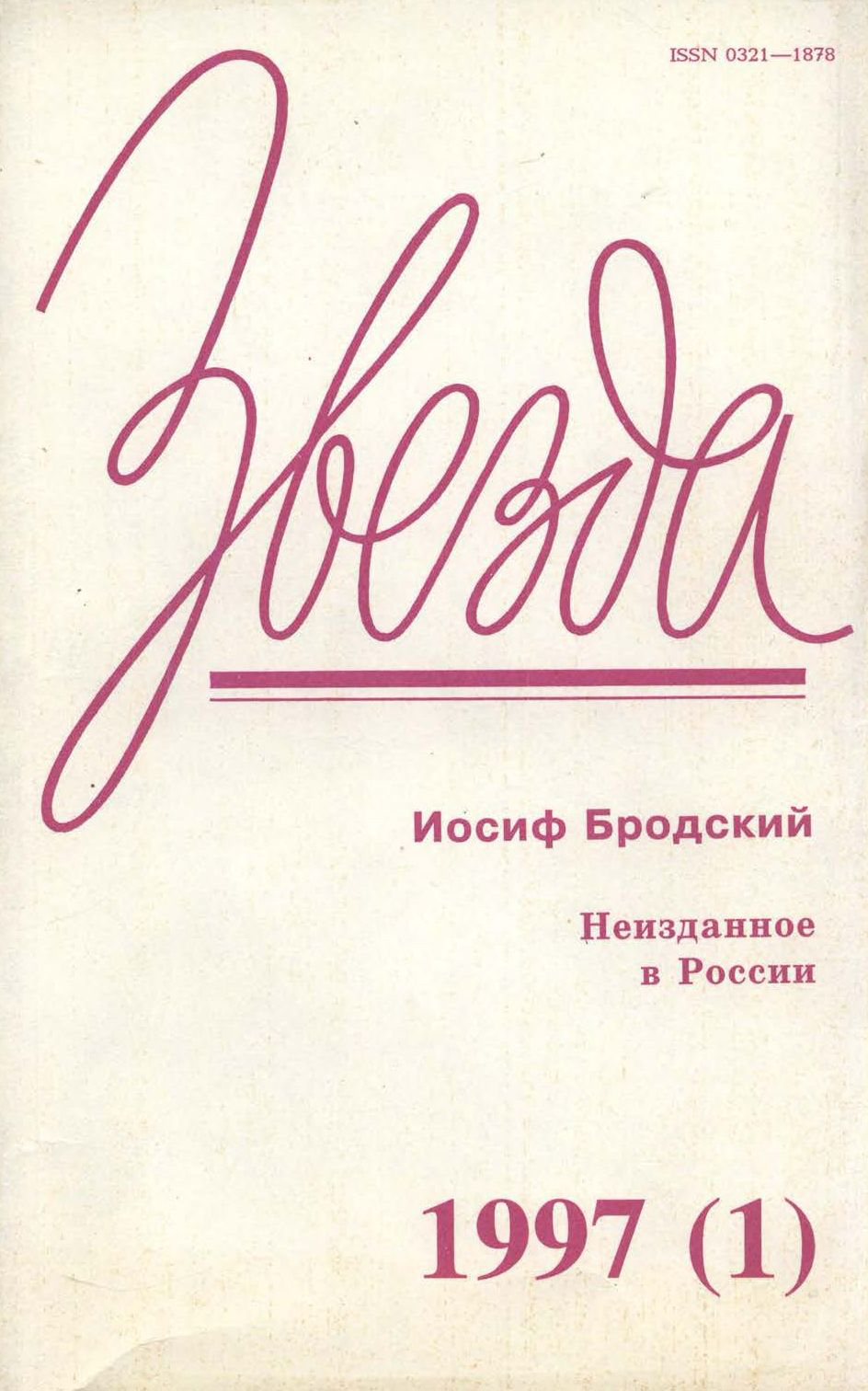
Verlagsinformation :: Publisher's information Founded in 1924 in Petrograd (later Leningrad, now St. Petersburg), Zvezda (Звезда, The Star) is Russia’s oldest monthly “thick journal,” a group of publications that played a crucial role in shaping Soviet intellectual and literary discourse. Initially released six times a year, it became a monthly publication in 1927 and has been a key resource of Russian intellectual and literary circles for a century. The journal’s longevity and resilience through tumultuous periods of Soviet history, including the Siege of Leningrad and Stalinist repression, make it an essential resource for understanding the complexities of Russian cultural development over the past century. Notably, Zvezda faced severe criticism in August 1946 from the Soviet Communist Party in the infamous resolution “On the Journals ‘Zvezda’ and ‘Leningrad’,” where it was accused of publishing “ideologically harmful works,” particularly those by Mikhail Zoshchenko and Anna Akhmatova. During the era of perestroika, Zvezda began publishing previously prohibited works and articles by authors such as Alexander Solzhenitsyn, Joseph Brodsky, Andrei Sakharov, Yuri Lotman and many others. The Zvezda Digital Archive provides a panoramic view of Russian intellectual life across the 20th and 21st centuries, and the journal’s survival through periods of intense censorship and its role in pushing boundaries during more liberal times make it an essential resource for understanding the nuanced tapestry of Russian culture, literature, and thought. This extensive coverage provides researchers with access to:
Key Stats
|
|